
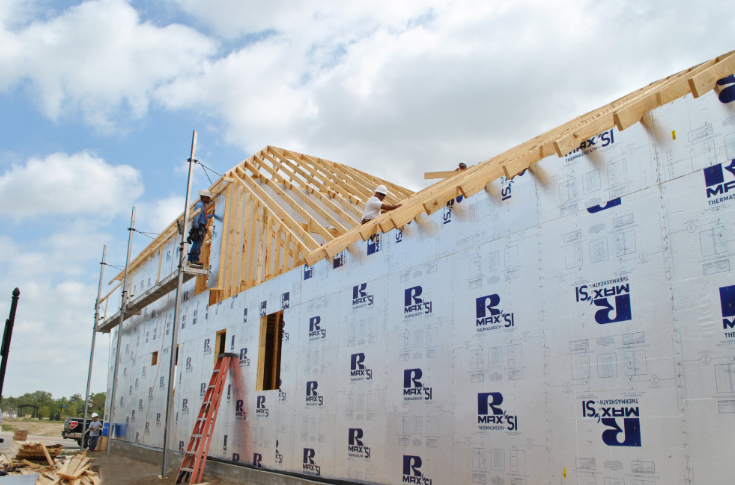
Energy-efficient building design depends on controlling how heat moves through the building envelope. Walls, roofs, and foundations constantly exchange heat with surrounding air and soil conditions, making insulation performance a defining factor in long-term building efficiency. Selecting the right thermal insulation material helps stabilize interior temperatures, reduce heating and cooling demand, and support durable building assemblies that perform consistently under changing environmental conditions.
How Heat Moves Through Building Assemblies
Heat transfer follows three primary pathways: conduction, convection, and radiation. Conduction describes heat flow through solid materials, including structural framing and exterior cladding. Convection occurs when air movement carries heat through cavities or ventilation pathways. Radiation transfers energy across open spaces through electromagnetic waves.
Insulation works by resisting these forms of heat movement. High-performance insulation slows conductive heat flow through walls and roofs while limiting convective air movement within building cavities.
Understanding R-Value and Thermal Resistance
Thermal resistance, commonly expressed as R-value, measures a material’s ability to resist heat transfer. Higher R-values indicate stronger resistance to conductive heat movement. Typical insulation products provide R-values ranging from approximately R-3 per inch for fiberglass and cellulose to R-6 or higher per inch for closed-cell spray foam and certain rigid insulation boards. Builders and designers evaluate insulation products based on R-value per inch because wall and roof assemblies often face thickness constraints.
Materials with higher thermal resistance allow assemblies to achieve target performance levels without excessive wall depth. For this reason, evaluating the best thermal insulation material often begins with understanding how R-value interacts with the structure’s overall design.
Thermal Bridging and Continuous Insulation
Thermal performance depends on more than material thickness alone. Structural framing creates pathways for heat movement through wood or steel members, a phenomenon known as thermal bridging. Heat moves through these framing elements more easily than through insulation layers, reducing the effective thermal performance of the wall.
Continuous insulation strategies address this issue by placing a thermal insulation material across the exterior side of framing members, creating a more consistent thermal barrier across the building envelope.
Moisture Behavior and Insulation Performance
Moisture exposure also influences insulation performance. Water vapor and bulk moisture can enter wall and roof assemblies through air leaks, diffusion, or external weather exposure. When moisture accumulates within insulation layers, thermal resistance can decline and building materials may deteriorate over time.
Insulation systems therefore must balance thermal resistance with appropriate moisture management characteristics. A high thermal insulation material should maintain stable performance even when exposed to seasonal humidity variations.
Common Insulation Materials Used in Construction
Several insulation categories are widely used in modern construction. Each material offers different performance characteristics depending on installation method and building assembly requirements.
Insulation Material Performance Comparison
| Insulation Material | Typical R-Value Per Inch | Common Installation Locations | Moisture Resistance |
|---|---|---|---|
| Fiberglass | R-2.9 to R-3.8 | Wall cavities, attics | Moderate |
| Cellulose | R-3.2 to R-3.8 | Wall cavities, attics | Moderate |
| Mineral Wool | R-3.0 to R-4.3 | Walls, exterior insulation, fire-rated assemblies | High |
| Spray Foam (Closed Cell) | R-6.0 to R-7.0 | Walls, roofs, air-sealed assemblies | High |
| Rigid Foam Board (Polyiso, EPS, XPS) | R-4.0 to R-6.5 | Exterior continuous insulation, roofs, foundations | Moderate to High (varies by product type) |
Fiberglass Insulation
Fiberglass insulation remains widely installed in residential wall cavities because it is lightweight and relatively inexpensive. The material consists of fine glass fibers arranged to trap air pockets that resist heat movement. Fiberglass batts and loose-fill products provide moderate thermal resistance, though performance depends heavily on proper installation and cavity coverage.
Cellulose Insulation
Cellulose insulation is manufactured from recycled paper fibers treated with fire retardants. The dense fiber structure traps air and slows heat transfer. Blown cellulose fills irregular cavities effectively, helping reduce air gaps within existing framing.
Mineral Wool Insulation
Mineral wool insulation provides strong thermal resistance along with fire resistance and sound control. Produced from melted stone or slag spun into fibers, mineral wool maintains structural stability even when exposed to moisture.
Spray Foam Insulation
Other insulation systems rely on different mechanisms to create thermal resistance within building assemblies. Spray polyurethane foam insulation expands after application, filling cavities and sealing air pathways simultaneously. The foam structure creates both thermal resistance and air sealing within the building envelope.
Closed-cell spray foam delivers relatively high R-values per inch and provides additional moisture resistance, although installation requires specialized equipment and trained crews.
Rigid Foam Insulation
Rigid foam insulation boards represent another important insulation category. Manufactured in controlled factory conditions, these boards are commonly installed as continuous insulation layers in wall, roof, and foundation assemblies.
Rigid insulation systems help create a consistent thermal barrier that limits heat transfer through structural framing. When evaluating a thermal insulation material for exterior continuous insulation, rigid boards are frequently selected because they combine strong thermal resistance with predictable installation performance.
Where Different Insulation Materials Work Best
Selecting insulation materials requires evaluating how each product interacts with the overall building enclosure. Wall cavities, roof assemblies, and foundation systems present different thermal and moisture conditions, meaning the most appropriate insulation strategy varies throughout the structure.
Successful insulation strategies depend on matching each thermal insulation material with the performance demands of its installation location.
Typical Insulation Applications by Assembly
Wall cavities: fiberglass batts, cellulose, mineral wool, or spray foam insulation
Exterior continuous insulation: rigid foam insulation boards installed outside structural framing
Roof assemblies: spray foam or rigid insulation systems installed within roof cavities or above roof decks
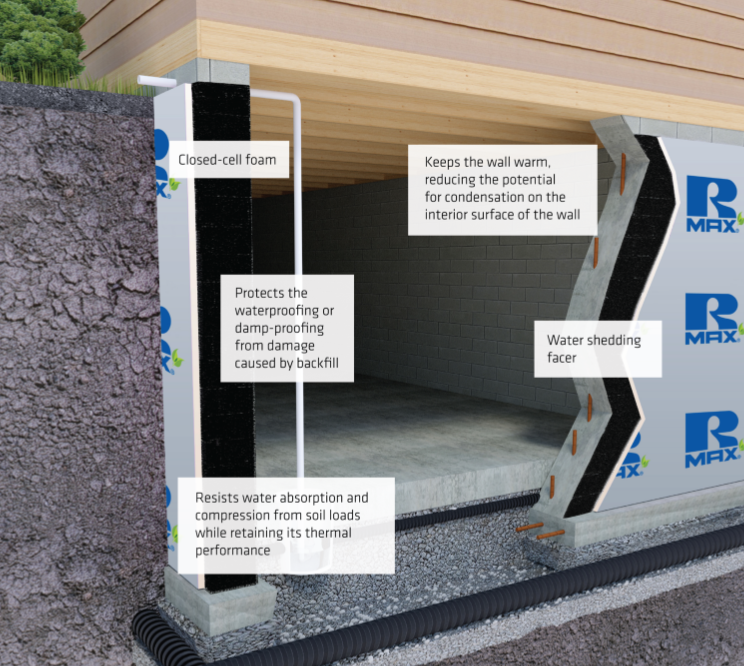
Foundation walls: rigid foam insulation or closed-cell spray foam capable of tolerating moisture exposure
Wall Cavities
Wall cavity insulation typically fills the spaces between structural studs. Fiberglass, cellulose, mineral wool, and spray foam insulation are commonly used in these locations.
Installation quality matters. Gaps or compression within cavity insulation can reduce effective thermal resistance.
Exterior Continuous Insulation
Exterior insulation layers help maintain continuous thermal protection across wall assemblies. Placing insulation outside structural framing reduces heat flow through wood or steel studs and improves overall wall performance.
This strategy also helps control condensation risk within the wall structure.
Roof Assemblies
Roof systems experience significant thermal loads because warm air rises through buildings as buoyancy-driven convection carries heat upward toward the roof assembly. Insulation installed within roof cavities or above roof decks must maintain consistent thermal resistance despite temperature fluctuations and seasonal humidity.
Foundation Walls
Uninsulated foundation walls allow heat to migrate into the surrounding soil. Installing insulation along foundation walls helps stabilize basement temperatures and reduce heat loss from conditioned spaces.
Properly selected insulation can maintain thermal resistance while tolerating moisture exposure common in below-grade environments.
Factors That Influence Insulation Selection
Thermal resistance is only one factor influencing insulation selection. Construction efficiency, durability, and environmental considerations all influence which insulation materials are appropriate for a particular project.
Installation Practicality
Some insulation materials install quickly using familiar construction methods, while others require specialized equipment or trained installers. Labor availability, construction schedules, and installation complexity can all affect insulation decisions.
Long-Term Durability
Insulation systems remain enclosed within building assemblies for decades. Materials must maintain structural integrity and thermal resistance even as temperature swings, moisture exposure, and structural movement affect the building over time.
Environmental Performance
Many building owners now evaluate materials based on lifecycle energy performance and environmental impact. High-performance insulation reduces operational energy demand by stabilizing indoor temperatures and limiting heat transfer. Over the life of a building, reduced heating and cooling demand can significantly lower operational energy consumption, making insulation performance an important contributor to long-term building efficiency.
Projects pursuing lower environmental impact often incorporate strategies associated with environmentally friendly insulation that reduce operational energy demand across the life of the building.
Sustainability Strategies
These approaches frequently align with broader building-envelope design strategies focused on energy efficient insulation that limit heat transfer through walls and roof assemblies.
Polyiso Insulation in High-Performance Building Envelopes
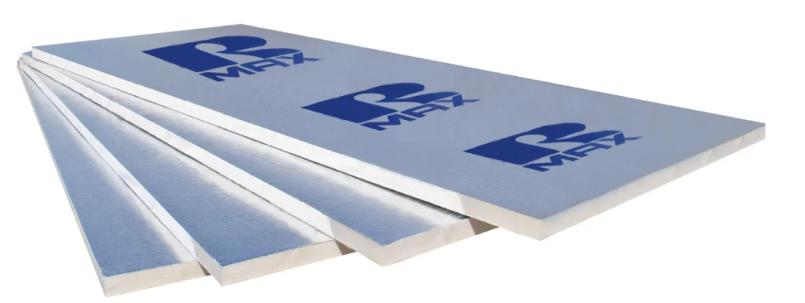
Rigid polyisocyanurate insulation boards manufactured by Rmax are widely used in wall and roof assemblies that require continuous insulation layers. These boards provide strong thermal resistance in relatively thin profiles, making them well suited for projects where wall thickness and structural constraints limit insulation depth.
Polyiso insulation systems are commonly installed across exterior wall sheathing or above roof decks to help create continuous thermal barriers within modern building envelopes.
Improve Building Efficiency With High-Performance Insulation
Energy-efficient construction depends on selecting insulation systems that work with the entire building envelope. Our polyiso insulation products provide continuous insulation solutions that help reduce thermal bridging and maintain consistent thermal resistance in wall and roof assemblies. Contact us today to learn more.