
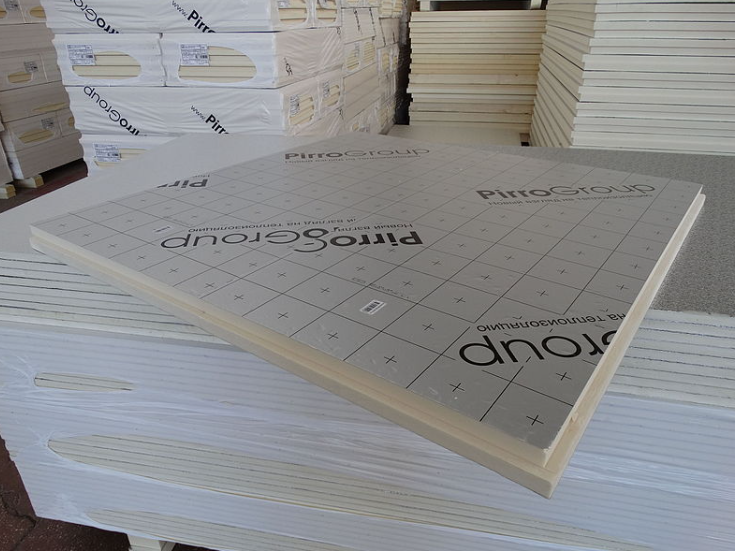
Insulation material selection influences how effectively a structure manages heat transfer, moisture movement, and long-term durability. Rigid foam products are widely used in walls, roofs, and foundations because they provide continuous insulation and reduce thermal bridging through framing members. Among these materials, the polystyrene insulation board remains a common option for builders evaluating rigid insulation systems.
Although polystyrene insulation products are frequently specified in residential and commercial construction, the material presents several limitations that builders should consider. Differences in thermal performance, moisture behavior, and installation complexity can influence how well an insulation system performs once installed within a wall or roof assembly. Understanding these factors helps designers and contractors determine whether a polystyrene insulation product is appropriate for a particular project.
What Is A Polystyrene Insulation Board
A polystyrene insulation board is a rigid foam insulation material manufactured from expanded or extruded polystyrene resin. These boards are lightweight, easy to cut, and available in multiple thicknesses for a variety of construction applications. The foam structure traps air within small cells, slowing heat transfer and improving the overall thermal resistance of building assemblies.
Common Construction Applications
Polystyrene foam board insulation is commonly used in several building assemblies:
exterior wall sheathing
roof insulation layers
beneath concrete slabs
Builders frequently install rigid boards as continuous insulation across framing members, helping reduce thermal bridging through wood or steel framing.
Why Manufacturing Method Matters
Although widely used, the performance characteristics of polystyrene insulation materials depend largely on how the foam is manufactured and how it is incorporated into the overall wall or roof system.
Types Of Polystyrene Foam Board Insulation
Two primary forms of polystyrene rigid insulation board are used in construction: expanded polystyrene (EPS) and extruded polystyrene (XPS). Both materials originate from the same polymer, but their manufacturing processes create structural differences that influence thermal performance, durability, and moisture resistance.
Expanded Polystyrene (EPS)
EPS insulation is produced by expanding small polystyrene beads with heat and steam before molding them into rigid boards. The finished product contains bonded bead structures that form a lightweight insulation panel.
EPS products are frequently used in foundation insulation, wall sheathing, and certain roof assemblies.Some construction systems also incorporate EPS insulated wall panels as part of prefabricated wall systems designed to integrate insulation and structural components.
Because EPS consists of bonded beads rather than a fully uniform foam matrix, small pathways may exist between cells. These pathways can allow limited moisture migration under certain conditions. EPS density also varies across product types, meaning compressive strength and thermal performance may differ depending on the intended application.
Extruded Polystyrene (XPS)
XPS insulation is manufactured using a continuous extrusion process that creates a more uniform closed-cell foam structure. The resulting rigid polystyrene insulation board typically has a smoother surface and greater resistance to moisture penetration compared with lower-density EPS products.
The extrusion process produces a denser material with a consistent cellular structure. Builders often compare these materials when evaluating rigid foam insulation systems, particularly when reviewing the differences between EPS vs XPS insulation.
Despite their structural differences, both EPS and XPS share certain limitations that should be considered during insulation selection.
Thermal Performance Characteristics
Rigid foam insulation slows heat transfer by trapping air within its cellular structure. The thermal performance of a polystyrene insulation board is typically measured as R-value per inch of thickness.
Typical R-Value Ranges
Common thermal performance ranges include:
EPS: approximately R-3.6 to R-4.2 per inch depending on density
XPS: approximately R-5 per inch
While these values offer measurable insulation performance, thicker insulation layers may be required to meet certain energy-code targets. Designers also evaluate how insulation materials maintain thermal performance over time, since long-term R-value stability can influence overall building envelope efficiency.
Assembly Design Implications
Increasing insulation thickness can influence several aspects of building design:
wall assembly depth
framing dimensions
cladding attachment details
As insulation thickness increases, structural design decisions may also be affected. These constraints often encourage designers to evaluate alternative insulation materials capable of delivering higher thermal resistance within thinner assemblies.
Moisture Behavior And Durability Concerns
Moisture exposure can influence the long-term performance of rigid foam insulation. Although polystyrene foam board insulation resists water penetration to some degree, prolonged exposure to moisture may still affect thermal performance.
Moisture Movement In EPS
EPS insulation contains bonded bead structures that may allow limited moisture movement through small spaces between cells. Over time, accumulated moisture can reduce the effective insulating value of the material. In environments where insulation experiences repeated moisture exposure, drainage design and drying potential become important considerations.
Environmental Exposure Risks
Durability factors may also affect how rigid polystyrene board insulation performs over time. These include:
ultraviolet exposure before enclosure
mechanical damage during construction
compression from structural loads
These conditions can influence insulation performance if boards are not properly protected during installation.
Installation Challenges Builders Encounter
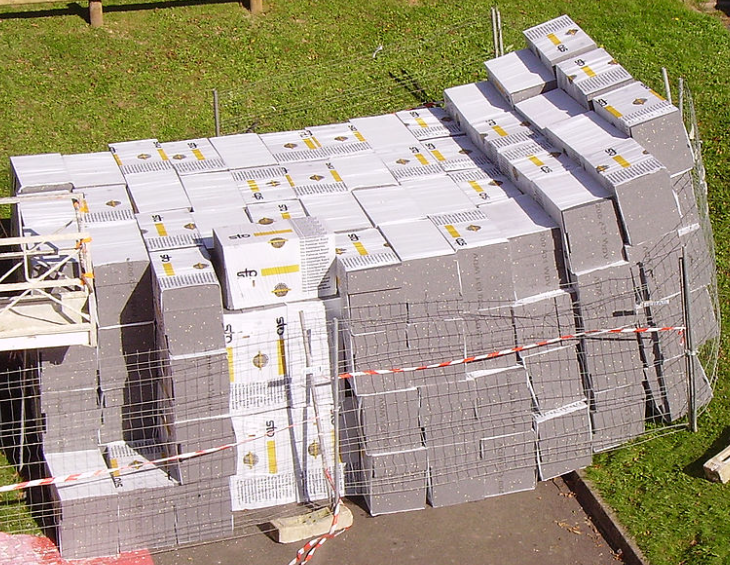
Rigid foam insulation boards must be installed carefully to maintain consistent thermal performance across the structure.
Panel Alignment And Air Leakage
Small gaps between insulation panels can significantly reduce insulation effectiveness if seams are not properly aligned and sealed. When rigid polystyrene insulation board panels are installed along exterior walls, seams must be tightly aligned and sealed to prevent air leakage pathways.
Open joints or poorly sealed seams can allow air movement that bypasses the insulation layer.
Construction Handling Considerations
Temperature fluctuations during construction may cause minor expansion or contraction in foam boards, complicating alignment across large wall surfaces. Builders often rely on tapes, sealants, or fastening systems to maintain continuity between insulation panels.
Handling practices during construction can also affect board condition. Panels that are crushed, damaged, or improperly stored may not perform as intended once installed within the wall assembly.
Where Polystyrene Insulation Performs Well
Despite these limitations, polystyrene insulation products remain useful in several construction applications.
Below-Grade Applications
EPS insulation is frequently used in below-grade conditions such as:
foundation insulation
under-slab insulation
In these environments, insulation boards help reduce heat transfer between interior spaces and surrounding soil.
Wall And Roof Assemblies
Certain wall assemblies and roofing systems may also incorporate polystyrene insulation where thicker insulation layers can be accommodated. In these situations, the material provides continuous insulation that helps reduce thermal bridging through structural framing.
When Builders Consider Alternative Insulation Materials
Energy-efficiency standards have steadily increased insulation requirements in many regions. As a result, designers and contractors often evaluate insulation materials capable of delivering higher thermal resistance within thinner assemblies.
Projects with limited wall cavity depth or strict energy-code requirements may benefit from insulation materials that provide greater R-value per inch. Higher thermal efficiency allows designers to achieve insulation targets without expanding wall thickness or modifying structural layouts.
When insulation performance requirements exceed what thicker polystyrene assemblies can provide, designers often evaluate alternative rigid insulation materials.
Polyiso As A Higher-Efficiency Alternative
When comparing polystyrene to other building materials, such as polyisocyanurate board insulation, it’s important to consider weaknesses. Here’s where rigid polystyrene insulation boards fall short:
Limited Service Temperature
Polystyrene is a thermoplastic material, meaning it can become malleable and will melt above a certain temperature. Both extruded and expanded polystyrene have a maximum service temperature of about 165 degrees Fahrenheit.
Since building envelope surface temperatures commonly exceed this temperature in the summer months, that could mean disaster for polystyrene foam board insulation.
Low Melting Point
The type of building materials you choose can have a big impact on how well your structure can survive a devastating event like a fire. With its low melting point, polystyrene insulation can pose a higher risk than other building materials during a fire.
Rather than being fire-resistant or fire-retardant, polystyrene melts when exposed to flame. The liquified material can drip and spread fire to other parts of the building.
R Value
Thermal resistance, or R-value, is a key consideration when choosing your insulation.
Higher R-values mean that your insulation works better to keep temperatures stable inside your building. A higher R-value per inch means that you can achieve the same code performance level with less material. Polystyrene insulations carry an average R-value of around R4 or R5 per inch, varying slightly depending on the type and density used. This is a middle-of-the-road value and there are better insulators than polystyrene board insulation if you need a higher R-value per inch for your project.
Water Permeance and Absorption
Insulation that absorbs water can compromise the insulating value and can lead to mold and other problems over time. Expanded polystyrene insulations have water absorption of between 2-4%. Surprisingly, this is higher than other types of insulation, which can achieve less than 1% water absorption. Similarly, water vapor permeance measures whether vapor can pass through the insulation.
Expanded rigid polystyrene board insulations carry a water vapor permeance of between 2.5 to 5 perms, which allows vapor to pass through at a higher rate than extruded polystyrene or polyiso.
Polyiso Instead of Polystyrene

Polyisocyanurate insulation is frequently considered as an alternative to polystyrene rigid insulation boards because of its higher thermal efficiency. Polyiso insulation typically provides higher R-values per inch compared with many polystyrene products, allowing wall and roof assemblies to achieve target insulation levels with less thickness.
Higher thermal efficiency can help builders design thinner wall assemblies while maintaining strong thermal performance across the building envelope. This advantage becomes particularly important in projects where structural constraints, wall thickness limitations, or energy-code requirements restrict available insulation space.
Understanding the strengths and limitations of each insulation material helps builders select solutions that balance cost, performance, and durability within the overall building envelope system.
Explore High-Performance Polyiso Insulation With Rmax
Polyiso insulation helps builders achieve higher thermal resistance while keeping wall and roof assemblies thinner and easier to detail. When insulation performance, durability, and installation reliability matter, choosing the right rigid insulation system becomes critical to long-term building envelope performance. Contact us today for more information.