
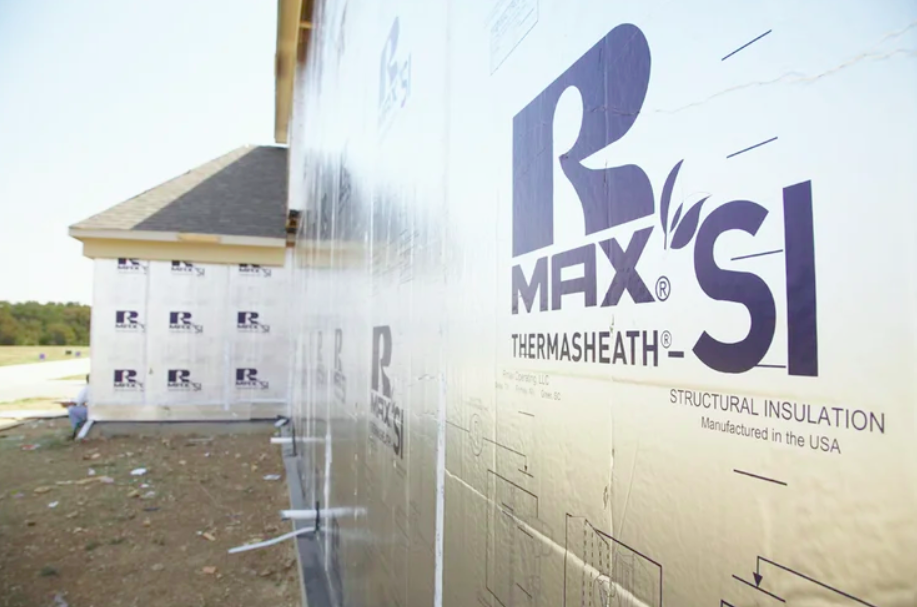
A strong building design can still waste energy through a poorly performing envelope. Excessive heat flow and uncontrolled air leakage increase heating and cooling demand, raise operating costs, and make indoor comfort harder to maintain. For architects, designers, contractors, and owners, operational carbon reduction depends on envelope decisions that control long-term energy demand without compromising building performance.
What Building Operations Mean for Carbon Emissions
Building operational carbon refers to the emissions associated with the energy used to run a building over its service life. Heating, cooling, lighting, ventilation, equipment, and other systems all contribute to that energy demand, although the resulting emissions depend on the energy source and its carbon intensity. In envelope design, a direct opportunity is to reduce the energy required for space conditioning.
Embodied carbon is different because it is associated with materials and construction-related lifecycle impacts such as manufacturing, transportation, installation, replacement, and end-of-life processes. Whole-building environmental performance accounts for both operating emissions and material-related impacts.
How Building Envelopes Influence Operational Carbon
The building envelope affects long-term operating emissions by controlling heat flow, air movement, and solar gains between indoors and outdoors. Walls, roofs, windows, doors, and transitions between assemblies influence how hard heating and cooling systems must work to maintain indoor conditions. Reducing unnecessary loads lowers energy demand and can support lower emissions over the building’s operating life.
Whole-envelope performance reflects how the complete assembly controls heat flow and air movement across framing, penetrations, transitions, and insulated areas. High-performance buildings treat these pathways as one coordinated system, helping the finished envelope perform closer to the design intent. Mechanical-system efficiency, controls, occupancy, and the carbon intensity of the energy supply also affect total operating emissions.
Building Envelope Strategies That Reduce Energy Demand
Controlling conductive heat flow, air leakage, thermal bridges, and glazing can reduce heating and cooling demand.
Improve Effective Insulation Performance
Insulation reduces conductive heat transfer through walls, roofs, and other opaque assemblies. Effective performance depends on where insulation is placed, how continuous it remains, and how the full assembly handles framing and other conductive components. An energy-efficient building envelope should therefore be evaluated by whole-assembly performance rather than nominal insulation values alone. Climate, assembly type, and project goals determine the appropriate level and location of energy-efficient insulation.
Reduce Thermal Bridging With Continuous Insulation
Thermal bridges allow heat to move through conductive framing, slab edges, structural connections, fasteners, and other interruptions in the insulation layer. Repeated framing members can reduce whole-wall thermal performance even when cavity insulation meets its specified R-value. Continuous insulation helps address this problem by extending thermal resistance across framing and other recurring conductive paths.
The objective is thermal continuity rather than added thickness for its own sake. Assembly design, climate, detailing, and installation quality determine how much benefit a specific strategy provides.
Maintain a Continuous Air-Control Layer
Air sealing controls a different pathway from insulation. Gaps at penetrations, transitions, joints, openings, and interfaces can allow conditioned air to escape and outdoor air to enter, increasing heating and cooling loads. A continuous air-control layer limits that uncontrolled movement and helps the enclosure perform closer to design expectations.
Good air-control detailing can also support comfort by reducing drafts and large temperature differences near exterior assemblies. Coordination matters because a small number of poorly detailed transitions can undermine otherwise strong envelope work.
Coordinate Glazing With Climate and Envelope Design
Glazing affects conductive heat transfer and solar heat gain. Window U-factor, solar heat gain coefficient, orientation, window area, shading, and climate all influence heating and cooling demand. Glazing performance has to be matched to the project.
A lower U-factor generally reduces conductive heat flow through the window assembly, but solar gains require separate consideration. In some conditions, solar heat can increase cooling demand; in others, useful winter gains may reduce part of the heating load. Glazing should be coordinated with the opaque envelope and mechanical design rather than treated as a stand-alone specification.
Traditional vs. High-Performance Building Envelope Strategies
High-performance envelope design coordinates thermal, air, and glazing strategies across the enclosure to reduce energy demand and support lower operating emissions.
| Envelope Element | Standard Practice | High-Value Strategy | Energy Use Impact | Operational Carbon Impact | Building Outcomes |
|---|---|---|---|---|---|
| Insulation | Greater reliance on cavity insulation | More continuous thermal layer across the assembly | Reduces conductive heating and cooling demand | Supports lower emissions associated with reduced energy demand | More consistent thermal performance |
| Air control | Air sealing may be less coordinated across transitions | Continuous air-control layer with detailed interfaces | Reduces leakage-driven heating and cooling demand | Supports lower emissions associated with unnecessary conditioning loads | Fewer drafts and better control |
| Thermal bridging | Framing and structural paths may remain significant | Thermal bridges identified and reduced | Lowers conductive losses and gains | Supports lower operating emissions as conductive heating and cooling demand falls | Better whole-assembly performance |
| Glazing | Generic or minimum-compliance selection | Climate- and project-responsive U-factor and solar-gain strategy | Improves control of heating and cooling loads | Supports lower operating emissions when energy demand is reduced | Improved comfort and load management |
| Transitions | Components may be treated more independently | Control layers coordinated at openings and interfaces | Helps preserve intended envelope efficiency | Limits energy losses that can increase operating emissions | Better durability and predictability |
| Performance target | Compliance-led baseline | Whole-building performance objective | Creates greater opportunity for demand reduction | Supports project-specific emissions-reduction goals | Broader comfort and cost benefits |
The table does not imply that every conventional assembly performs poorly.
Balance Carbon Goals With Long-Term Building Performance
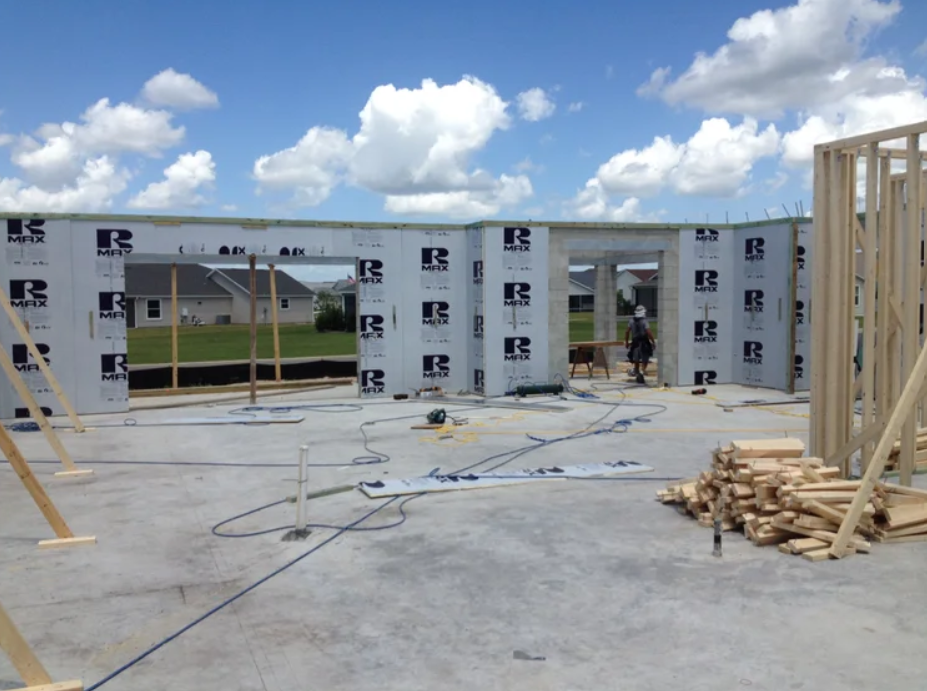
Reducing operational carbon should be evaluated alongside energy efficiency, durability, occupant comfort, and long-term operating costs.
Comfort, Durability, and Operating Costs
Lower heating and cooling demand can contribute to lower operating energy costs, but actual savings depend on climate, utility rates, occupancy, system efficiency, controls, and energy source. Envelope improvements can also support more stable interior temperatures and reduce drafts or uncomfortable surface conditions.
Durability belongs in the same conversation. Insulation, air-control layers, water-management details, and transitions should work together so energy improvements do not create new moisture or enclosure problems. A high-performance envelope succeeds when thermal, air, water, and vapor-control strategies are coordinated for the specific assembly and climate.
Energy Codes and Sustainability Goals
Energy codes establish requirements for building energy performance, but code compliance and project-specific carbon goals are not identical targets. Operating energy accumulates over years or decades of building use, so design teams increasingly have reason to consider long-term energy demand alongside minimum code requirements and broader sustainability objectives. Those priorities can justify higher envelope performance when energy use, comfort, durability, operating costs, or emissions goals call for it.
Material choices still belong in the broader sustainability discussion. Operational and embodied impacts occur at different stages of the building lifecycle, so one should not be used to dismiss the other. Considering environmentally friendly insulation alongside long-term energy performance can help project teams keep material impacts and operating efficiency in view.
Support High-Performance Envelope Design With Rmax
Rmax provides insulation products and technical guidance for project teams working to improve thermal continuity and energy-efficient envelope performance. Product selection should reflect the assembly, climate, code requirements, and project performance goals. Contact us today for more information.
Frequently Asked Questions
The answers below distinguish operating emissions from embodied impacts and summarize how envelope performance affects long-term energy demand.
-
Building operating emissions are associated with the energy required to run a building over time, including heating, cooling, ventilation, lighting, and equipment. Envelope design directly affects space-conditioning demand by influencing heat transfer, air leakage, and solar gains.
-
Operational emissions occur during building use, whereas embodied carbon is associated with materials and construction-related lifecycle processes. Both contribute to a building’s environmental impact, but they occur at different stages and require different reduction strategies.
-
The envelope can reduce energy demand by improving insulation continuity, limiting air leakage, reducing thermal bridging, and coordinating glazing with climate and building conditions. These strategies lower the heating and cooling loads that contribute to operating emissions.