
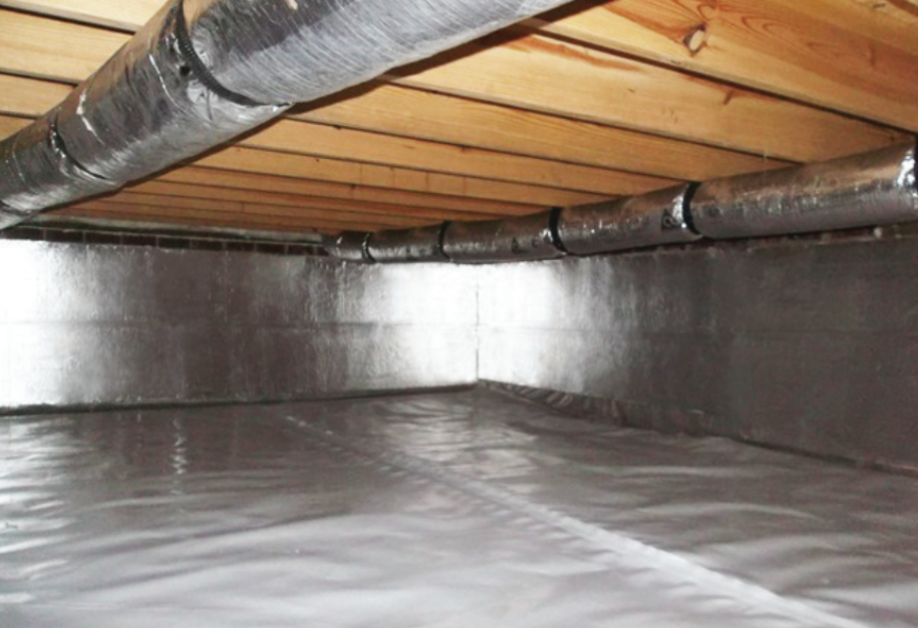
Crawl spaces behave differently than any other part of a building. They collect ground moisture, experience wide temperature swings, and influence how the floors above feel from season to season. When owners ask how to approach crawl space insulation, the answer begins with understanding how moisture, air movement, and thermal loads interact under the structure.
How a Crawl Space Insulation System Must Perform in the Field
A crawl space insulation system must address temperature, air movement, and ground moisture at the same time to remain stable through seasonal changes.
Control Surface Temperatures and Reduce Condensation
Insulation in a crawl space must warm interior wall surfaces enough to limit condensation potential during seasonal humidity spikes. Masonry tends to lag behind outdoor conditions, staying cool as warm air enters through vents or leakage points, which encourages condensation on cold surfaces.
Insulating the walls in addition to the floor above moderates those reactions and reduces swings in humidity that occur when outdoor conditions shift quickly. Choosing the right crawl space insulation helps stabilize wall temperatures and reduces the seasonal moisture swings that drive many long-term issues beneath the structure.
Limit Air Leakage and Uncontrolled Moisture Transfer
A functional system must also limit air leakage. Gaps around rim joists, plumbing penetrations, and utility openings create pressure differences that continually draw humid air into the crawl space. Once that air meets cooler surfaces, it increases wetting cycles. An insulation layer that stays bonded to the substrate and limits air pathways helps stabilize the environment.
Manage Ground Moisture With a Connected Vapor Barrier
Ground moisture adds further complexity. Even a well-installed vapor barrier allows small amounts of vapor to rise at seams or edges. Without one, the space is directly exposed to soil moisture, which increases humidity under warm conditions. A sealed crawl space relies on a continuous ground vapor barrier paired with insulation that keeps interior surfaces warm enough to limit condensation.
How Common Insulation Types Perform Under Crawl Space Conditions
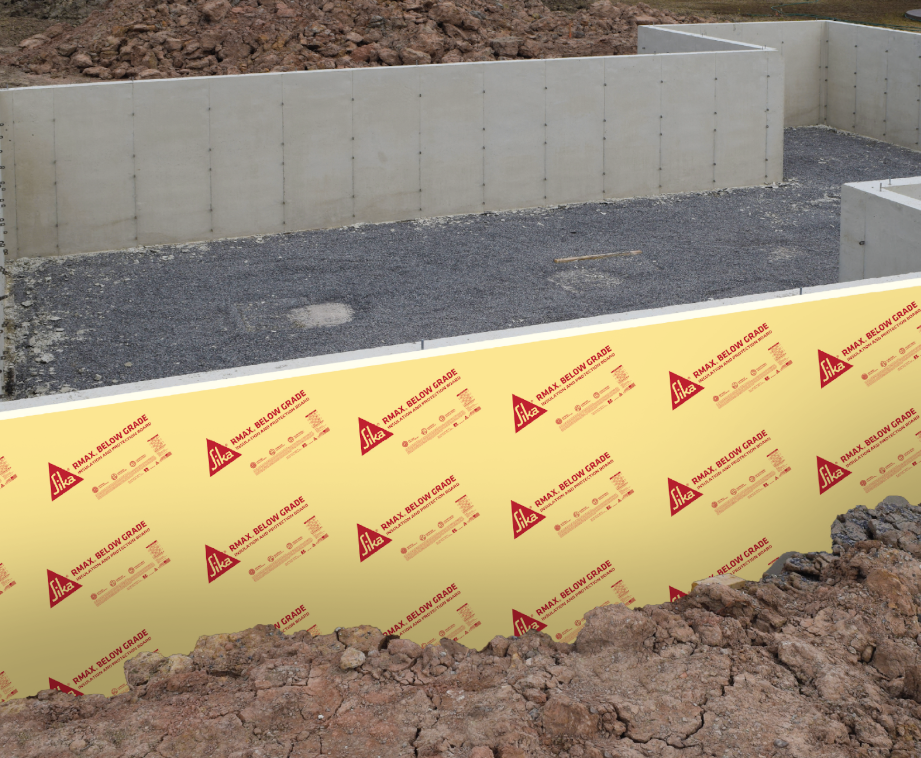
In the crawl space environment, each insulation material’s behavior under humidity, cold masonry, and air movement matters more than its nominal R-value.
Fiberglass and Its Moisture Limitations
Fiberglass can take on and hold moisture in humid crawl spaces, sags with time, and often separates from framing. Once it loses contact, unconditioned air flows around the batts and reduces their thermal contribution. Damp fiberglass can hold moisture long enough for mold to grow on adjacent wood, and even when dry, it does not address the cold foundation walls where condensation typically begins.
Spray Foam and Installation-Driven Variables
Spray foam air-seals and insulates in one step. Closed-cell foam limits vapor movement and bonds to surfaces, reducing uncontrolled air pathways. Even so, termite inspection requirements and protective-coating rules in some regions affect viability. Substrate moisture, surface temperature, and installation precision all determine long-term performance, and spray foam must still integrate cleanly with a durable vapor barrier.
Rigid Foam Boards and Moisture Control
Rigid foam boards combine stable thermal behavior with predictable moisture management.
Permeability varies by facer type, and their performance depends on seam quality and their connection to the ground vapor barrier.
Boards with low-perm facers help limit moisture migration from masonry into the crawl space, and when seams are sealed well, they reduce air movement behind the insulation.
Why Continuous Insulation Stabilizes Sealed Crawl Spaces
Continuous insulation affects moisture, temperature, and air movement together, creating more stable crawl space conditions than isolated measures can achieve.
Continuous Insulation Reduces Moisture and Temperature Swings in Crawl Spaces
Sealed crawl spaces depend on limiting humidity, moderating temperature, and keeping the foundation within a predictable moisture range. Continuous insulation warms the interior surfaces, reducing condensation cycles and forming an enclosure that handles seasonal shifts more consistently.
Builders evaluating crawl space insulation should examine how materials respond to humidity, how seams are sealed, and how the insulation connects to the vapor barrier. When these details align, the assembly performs more reliably through the year.
Low-Perm Rigid Foam Supports Long-Term Stability
Rigid foam with low-perm facers plays a central role in many sealed assemblies because it insulates while limiting vapor movement. When boards are installed with taped seams and tied directly into the vapor barrier, the crawl space becomes more resilient to seasonal changes. The facer and board stability determine how well the system remains sealed as temperatures change.
How Polyiso Performs in Crawl Space Assemblies
Polyiso provides high R-value per inch and uses closed-cell foam that resists moisture absorption. Its foil facers limit vapor transmission and help keep the insulation’s interior surface warmer, which reduces condensation potential. When used as continuous insulation across the crawl-space perimeter, polyiso shifts the dew point into the board layer and helps keep the masonry drier. Effective performance depends on installation quality: sealed seams, consistent fastening, and continuous transitions to the vapor barrier.
Rmax Polyiso Solutions for Crawl Space Walls
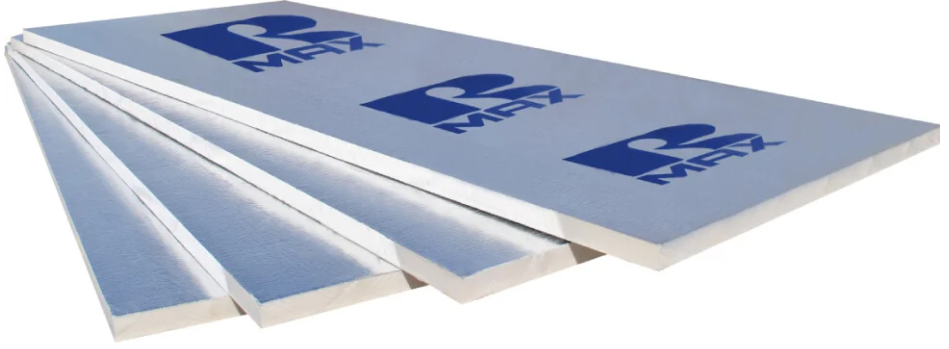
Rmax polyiso serves two key purposes in sealed crawl spaces by managing vapor movement at the wall surface and linking the insulation to the ground vapor barrier to create a continuous enclosure.
TSX-8500 Foil-Faced Polyiso for Crawl Space Walls
Rmax TSX-8500 offers a foil-faced polyiso option designed for crawl-space wall applications. Its low-perm facer helps limit vapor movement from masonry into the semi-conditioned space. According to the documented installation approach shown in the TSX-8500 crawl-space application, the board may be fastened or adhered depending on the substrate, and compatible foil tape closes the seams to create a continuous layer.
Integrating TSX-8500 With the Ground Vapor Barrier
When insulation extends down to meet the ground vapor barrier and the transition is sealed, the assembly reduces air leakage and maintains thermal continuity. This detailing aligns with code pathways for sealed crawl spaces and supports the moisture stability required for long-term durability. Additional guidance on vapor-barrier coordination appears in the Rmax resource covering vapor-barrier behavior in crawl spaces.
Detailing the Transition Between Vapor Barrier and Insulation
The transition between the vapor barrier and the wall insulation must be sealed carefully. The barrier limits moisture from soil, but without a tight joint at the wall, vapor can bypass the membrane and accumulate at the perimeter.
Proper detailing overlaps or terminates the barrier at the insulation, and compatible sealants or tapes complete the joint. Where termite inspection gaps are required, the insulation stops below the top of the foundation wall at the code-specified height, and the vapor barrier terminates accordingly.
Performance Benefits Across the Structure
Crawl space insulation influences both the enclosure and the spaces above it, and the overall performance depends on how well the insulation and vapor barrier work together as a continuous system.
Improved Stability in the Floors and Mechanical Systems Above
Once the insulation and vapor barrier integrate into a continuous assembly, the benefits extend to the rest of the building.
Lower humidity decreases the potential for mold, and mechanical systems running through the crawl space operate under more stable conditions.
Floors above behave more consistently across seasons, and overall humidity swings narrow.
Builders evaluating crawl space insulation can expect improved moisture control and more predictable performance when continuous insulation and a well-detailed vapor barrier anchor the assembly.
Seasonal Resilience From Continuous Polyiso Insulation
Continuous polyiso insulation at crawl-space walls, paired with a sealed vapor barrier and tight seams, forms an enclosure capable of handling seasonal shifts effectively. When installed with attention to detail and aligned with local requirements, it remains a reliable way to manage energy and moisture in sealed crawl spaces.
Improve Crawl Space Wall Assemblies With Rmax Polyiso
Rmax manufactures polyiso insulation designed for enclosed foundation assemblies that must handle seasonal moisture shifts. Each board uses stable facers and closed-cell foam to support predictable thermal behavior when installed with proper seams and transitions. Contact us today for more information.