
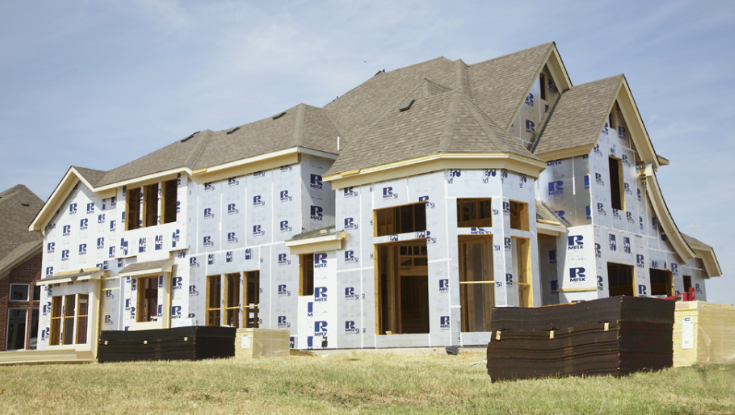
Insulation failures rarely announce themselves immediately. Comfort complaints, uneven temperatures, condensation, and rising energy use usually appear months or years after construction, long after materials have been concealed behind finishes. Many of the most costly insulation mistakes occur during installation, when design intent, material behavior, and field execution drift out of alignment.
Why Insulation Performance Often Fails After Installation
Insulation is often treated as a commodity rather than a control layer. That assumption shifts attention to nominal R-values instead of installed performance. In practice, insulation works only when it is continuous, properly integrated, and protected from air and moisture movement that degrade its effectiveness over time.
Performance problems become clearer when insulation is evaluated by how it interacts with surrounding components rather than by product labels alone. These early decisions create insulation mistakes that compound quietly over time, long before visible symptoms appear.
Choosing Insulation Without Considering the Application
Material selection is one of the earliest decision points where problems begin. Insulation products are designed for specific roles, yet they are frequently specified or installed without regard to where control layers belong within the wall or roof system. Cavity insulation is often expected to manage heat flow while also limiting air movement, even though it was never intended to serve as an air barrier.
Application Mismatches That Drive Performance Loss
External wall insulation mistakes are especially common when projects rely solely on interior cavity insulation to meet energy targets. Without sufficient continuous insulation on the exterior, heat bypasses insulated cavities through studs, plates, and rim areas. That bypass reduces effective R-value across the entire wall, even when cavities appear fully insulated, resulting in assemblies that meet prescriptive requirements on paper but underperform in service.
How Gaps, Voids, and Compression Undermine Insulation Performance
Insulation only resists heat flow when it fully occupies the intended space. Gaps allow convective loops to form, carrying heat around the insulation instead of through it. Compression reduces the thickness that provides thermal resistance, lowering effective R-value even when coverage appears complete.
Common Installation Conditions That Reduce Effective R-Value
Irregular framing that prevents full cavity fill
Mechanical and electrical penetrations that displace insulation
Tight corners where insulation is forced rather than fitted
Overcompression around obstructions or framing tolerances
These defects commonly occur around irregular framing, mechanical penetrations, or tight corners where materials are forced into place rather than fitted accurately. Small voids repeated across large areas create continuous thermal weaknesses that remain locked into the building for its service life. Many insulation mistakes persist because they were never visible enough during installation to trigger correction.
When Insulation Is Expected to Do the Job of an Air Barrier

Air movement is frequently misunderstood during insulation installation. Insulation slows conductive heat transfer, but it does not reliably stop air leakage unless specifically designed to do so. When insulation is expected to function as an air barrier, uncontrolled air movement bypasses thermal resistance and carries moisture into assemblies.
Where Air Leakage Bypasses Insulation
Air leakage paths tend to form at transitions rather than in the middle of insulated fields. Top plates, bottom plates, rim joists, and service penetrations are common leakage points. If these areas are not addressed with dedicated air control measures, insulation performance suffers regardless of material quality, creating a false sense of enclosure integrity.
Moisture Risks Created by Poor Insulation Placement
Moisture management failures introduce long-term risk when insulation is installed without considering vapor drive and drying potential. Assemblies experience seasonal temperature and humidity shifts that influence how moisture moves through materials. When insulation placement traps moisture without a drying path, conditions develop that support mold growth, material degradation, or freeze-thaw damage.
How Dew Point Movement Creates Hidden Risk
Vapor control becomes especially necessary when exterior insulation is added without adjusting interior layers. Improper ratios between exterior and interior insulation thickness can shift the dew point into vulnerable locations. This class of insulation mistakes often remains hidden until visible damage emerges, long after construction is complete.
Why Climate and Code Context Still Matter
Energy codes establish minimum requirements, but meeting prescriptive values does not guarantee reliable performance. Climate zones matter because temperature differentials, humidity levels, and seasonal swings influence how assemblies behave. Insulation strategies that perform acceptably in one region can create problems in another when installed without climate-specific adjustments.
Code Minimums vs. Real-World Performance
Assemblies that ignore climate context may comply with nominal R-value targets while failing to manage condensation risk or thermal bridging. Treating code compliance as the endpoint rather than the baseline often leads to performance complaints that cannot be resolved through incremental fixes.
DIY vs. Professional Installation: Risks and Long-Term Consequences
Insulation installation is often viewed as a straightforward task, yet the difference between a do-it-yourself approach and professional execution can have lasting impacts on building performance. While DIY methods may appear cost-effective upfront, they frequently introduce mistakes that remain hidden until comfort complaints or energy inefficiencies surface.
Long-Term Consequences of Improper Installation
Insulation mistakes made during DIY projects may not be immediately apparent but can lead to persistent energy loss, condensation, and comfort issues. Remediation often requires invasive work, increasing long-term costs and disrupting building operations.
When to Hire a Professional
For projects demanding reliable thermal performance, especially in complex assemblies or challenging climates, engaging a professional installer ensures that insulation is integrated as part of a holistic enclosure strategy. Professionals bring technical expertise, code familiarity, and quality control processes that protect against hidden mistakes and deliver predictable outcomes.
Installation Order and Trade Conflicts That Break Thermal Continuity
Sequencing errors introduce another layer of risk during installation. Insulation is often installed before adjacent systems are fully coordinated. Mechanical runs compress batts, electrical penetrations interrupt continuity, and exterior insulation is installed without alignment to window and door detailing. These coordination failures fragment the thermal envelope and reduce overall effectiveness.
Common Trade Conflicts That Disrupt Insulation Continuity
Mechanical runs installed after insulation placement
Electrical penetrations cut without resealing or refitting
Window and door detailing misaligned with exterior insulation
Foundation-to-wall transitions left unresolved
Foundation and slab interfaces are particularly vulnerable. Discontinuities at slab edges or basement walls allow heat to escape into surrounding soil, reducing interior surface temperatures along perimeter zones. Roof and wall intersections create similar challenges when insulation layers fail to align, producing localized cold spots and condensation risk.
Preventing Insulation Failures in Real Projects
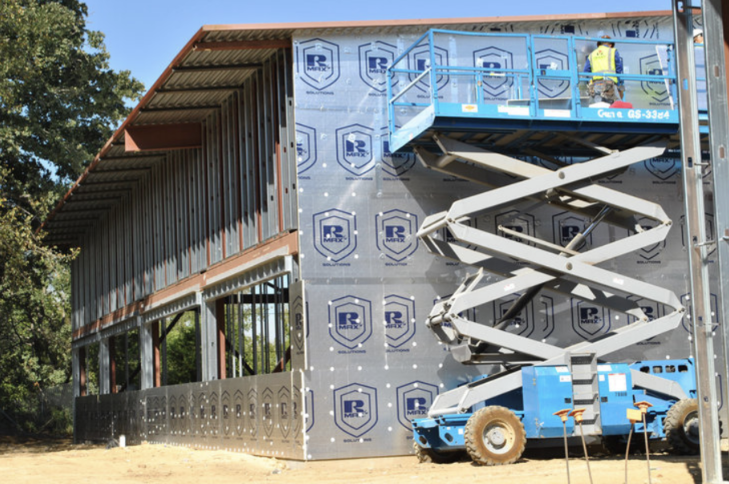
Avoiding insulation mistakes requires shifting focus from individual materials to system behavior. Effective assemblies account for how heat, air, and moisture move through the entire enclosure before products are selected or details are finalized. Small adjustments made early in design and sequencing prevent large performance losses later.
Rigid insulation systems support this approach when used correctly. Continuous insulation placed outside structural framing limits thermal bridging and protects cavities from temperature extremes. Their performance depends on execution, including fastener placement, joint treatment, and edge detailing, which determine whether boards function as a continuous layer or a series of isolated panels.
What Reliable Insulation Installations Have in Common
Assemblies that perform reliably share common traits. Insulation layers are continuous, interfaces are planned rather than improvised, and air and moisture control responsibilities are clearly assigned. Material selection reflects climate exposure and enclosure role instead of convenience. The most durable buildings result from disciplined planning and execution rather than premium materials alone.
Pre-Close-In Checks That Prevent Insulation Failures
Before insulation is covered, experienced teams pause to confirm continuity rather than relying on visual fullness alone. This includes verifying that insulation remains intact after mechanical and electrical work, that air control measures are complete at plates and penetrations, and that exterior insulation aligns with openings and transitions. Catching these conditions before finishes are installed prevents insulation mistakes from becoming permanent performance liabilities.
Specify Rmax Insulation Systems for Reliable Thermal Performance
Rmax manufactures rigid insulation products designed to support continuous insulation strategies and predictable thermal control when installed as part of a coordinated assembly. Each product is engineered to deliver stable R-values, resist compression, and integrate with air and moisture control layers. Contact us today for more information.