
Foundations form the interface between a building and the ground. Soil temperature, seasonal weather patterns, and moisture conditions influence how heat moves through the lower portion of the building envelope. Foundation wall insulation controls heat transfer while supporting energy efficiency, moisture management, and long-term durability.
Insulating the foundation is sometimes overlooked when compared with walls and roofs above grade. However, heat loss through foundation walls can affect overall building performance. Proper insulation strategies reduce thermal loss, moderate basement temperatures, and contribute to a more consistent indoor environment.
Why Foundation Insulation Matters
Concrete and masonry foundation walls conduct heat easily. Uninsulated foundations allow interior heat to migrate through the wall and dissipate into the surrounding soil. Proper foundation wall insulation slows heat transfer between interior spaces and surrounding ground conditions, stabilizing basement temperatures and reducing heating demand.
Insulation also moderates interior wall surface temperatures. Warmer wall surfaces reduce the likelihood of condensation forming on foundation walls, helping limit moisture accumulation in basement environments. A broader explanation of insulation strategies appears in discussions of foundation insulation fundamentals that describe how insulation contributes to overall building envelope performance.
Exterior Foundation Wall Insulation
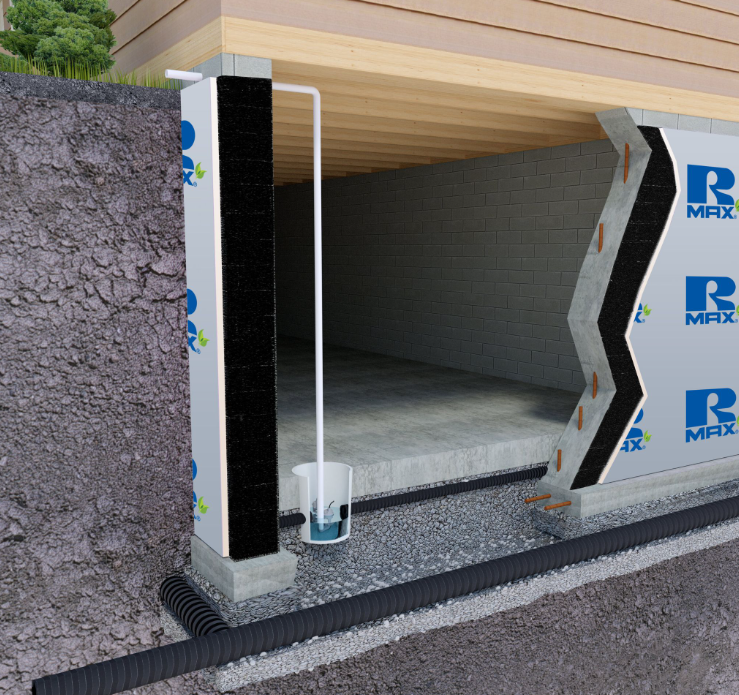
Exterior foundation wall insulation places rigid insulation boards along the outside surface of the foundation before backfilling. This configuration positions insulation between the structural wall and surrounding soil, creating a continuous insulation layer around the building perimeter.
Installing insulation on the exterior side also preserves usable interior space because the insulation does not occupy area within the basement wall assembly. When insulation is installed inside the basement, framing and insulation layers can reduce interior floor area, while exterior placement keeps the full interior footprint available for finished space or storage.
Continuous Insulation Benefits
Maintaining an uninterrupted insulation layer reduces thermal bridging that occurs when insulation is interrupted by framing members or structural elements. This continuous layer preserves consistent thermal resistance across the entire foundation assembly.
Exterior installation can also simplify construction sequencing. Because insulation boards are placed outside the wall before backfilling, the foundation typically does not require an interior finish layer specifically to cover insulation materials, which can reduce material and finishing costs associated with interior wall assemblies.
Condensation And Freeze-Thaw Protection
Exterior insulation keeps the concrete wall warmer during colder weather. That temperature stability lowers the likelihood of condensation forming on interior basement surfaces. Maintaining more stable wall temperatures also reduces stress caused by freeze-thaw temperature cycles within the concrete.
How Exterior Insulation Improves Building Performance
Exterior insulation changes how the foundation interacts with surrounding soil conditions. Instead of allowing the structural wall to absorb outdoor temperature fluctuations, insulation acts as a buffer between the wall and the surrounding ground.
Insulation covering the exterior surface keeps the concrete closer to interior temperatures. The wall assembly remains more stable as a result, improving overall building envelope performance. This temperature stability also limits moisture-related issues associated with condensation.
A continuous exterior insulation layer allows the foundation assembly to perform more consistently than interior-only insulation systems, which is why many builders choose insulating the exterior side of a foundation wall to improve thermal and moisture performance.
Exterior Foundation Insulation Installation
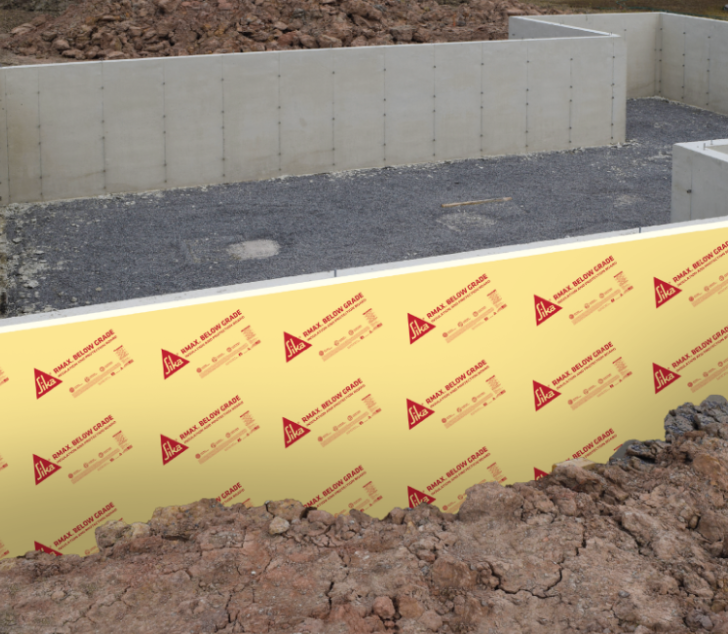
Exterior foundation insulation installation typically occurs during early construction stages. Rigid insulation boards are positioned against the exterior surface of the foundation wall before soil backfill is placed.
In many projects, boards are temporarily attached to the wall surface so they remain aligned during installation. Once backfill is placed, surrounding soil helps secure the insulation against the foundation wall, creating a durable insulation layer that remains protected below grade.
Waterproofing And Insulation Placement
After the concrete wall cures, a waterproofing or damp-proofing membrane is applied to the exterior surface to protect the foundation from moisture intrusion. Rigid insulation boards are placed against the waterproofed surface using adhesives or mechanical attachment methods depending on system design.
Protection And Drainage Layers
A protective board may cover the insulation to shield it during backfilling. Drainage components such as drainage boards or perimeter drain systems may also be incorporated into the assembly to direct water away from the foundation while maintaining controlled drainage around the structure.
After these layers are installed, excavation is backfilled and the surrounding soil supports the insulation assembly.
Interior Foundation Insulation
Interior insulation provides another method for improving foundation wall insulation performance. In this approach, insulation is installed along the inside surface of the basement wall rather than outside the structure.
Interior insulation often becomes the practical option in renovation projects where excavation around the foundation is not feasible. Installing insulation from the interior allows builders to improve basement energy performance without disturbing landscaping or existing structures.
Rigid foam boards commonly serve as foundation foam insulation along the interior surface of foundation walls. These materials provide reliable thermal resistance while maintaining dimensional stability in basement environments.
Moisture And Condensation Considerations
Moisture control becomes an important factor when insulating foundation walls from the interior. Basement walls often remain cooler than interior air during colder months. Warm indoor air contacting these cooler surfaces can produce condensation when temperatures fall below the dew point.
Proper insulation placement reduces this risk by keeping interior wall surfaces warmer. Continuous insulation boards installed directly against the wall separate the concrete from interior air and reduce opportunities for condensation. Managing indoor humidity levels through ventilation and air sealing also helps maintain a dry foundation environment.
Interior Foundation Wall Insulation Installation
Interior installation begins by preparing the wall surface and confirming the foundation is free from active water intrusion.
Insulation Board Placement
Rigid insulation boards are positioned against the interior face of the wall to reduce heat loss through the foundation.
Framed Wall Assemblies And Air Sealing
A framed wall assembly may be constructed in front of the insulation layer to provide space for electrical systems and interior finishes while maintaining the insulation layer against the concrete surface. Air sealing during installation limits uncontrolled air movement and prevents warm interior air from reaching cooler surfaces within the wall assembly.
Choosing Insulation Materials For Foundation Walls
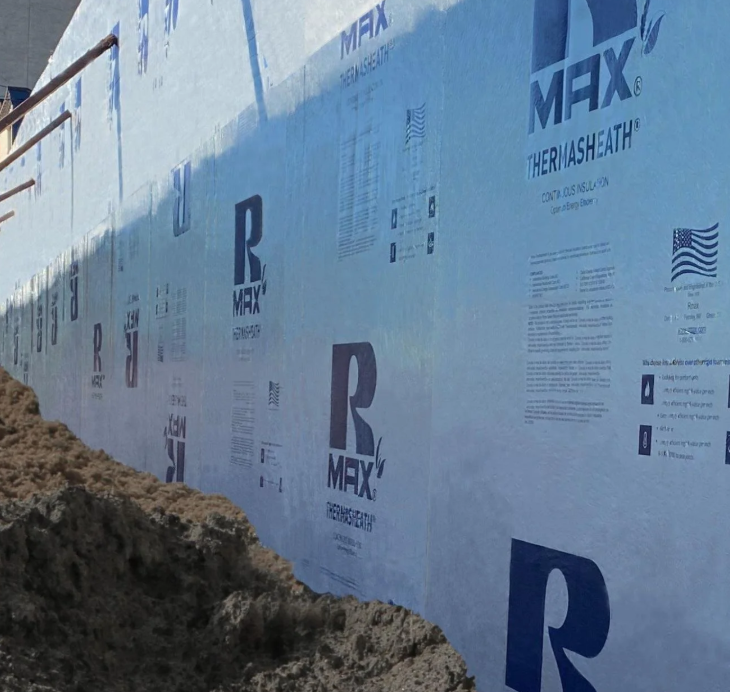
Several insulation materials may be used when designing foundation wall insulation systems. Rigid foam insulation products are frequently selected because they provide durable thermal performance while resisting moisture exposure and soil pressure.
Designers evaluate thermal resistance, compressive strength, moisture behavior, and long-term durability when selecting insulation materials used in below-grade insulation applications for foundation assemblies. Selecting appropriate insulation materials ensures the insulation system performs reliably throughout the life of the structure.
Discover Rmax Below-Grade Insulation Solutions For Durable Foundations
Rmax offers rigid insulation systems designed for demanding below-grade environments where moisture exposure, soil pressure, and long-term thermal performance must be carefully managed. These insulation products support continuous insulation strategies that improve building envelope performance and foundation durability. Contact us today for more information.